
Legacy Product Modernization for Extensible Systems
Your legacy product is not broken, but it becomes expensive to maintain, harder to extend, and increasingly difficult to integrate with modern systems over time. We help you modernize the digital product areas that matter most without disrupting core operations.
Trusted by Operations-Led Teams








Legacy Product Modernization Services for Business Continuity
We design and deliver modernization systems that improve maintainability, reliability, and extensibility while preserving business-critical operations.
Review current architecture, dependencies, change friction, and workflow criticality before deciding what needs to change.
System Assessment &
Modernization Roadmap
Define what to rehost, refactor, rearchitect, rebuild, or replace to ensure the modernization path aligns with product value, technical risk, and business priorities.
Architecture Redesign &
Transition Planning
Migrate functionality in stages so the existing system can keep supporting operations while modernized components are introduced and validated over time.
Incremental Migration & Controlled Release
Replatform legacy databases, implement API-first connectivity, and improve cross-system data flows to ensure reliability across systems.
Data & Integration Modernization
Convert high-friction user journeys into responsive, performant web interfaces to improve internal team speed and customer experience.
UX & Workflow Modernization
Strengthen environments, release processes, observability, and operational resilience so the system performs more predictably over time.
Cloud, Deployment &
Reliability Improvements
Prepare the product for practical AI, analytics, and workflow automation only where the underlying system can support them reliably.
AI & Data Readiness for
Existing Products
The Real Cost of
Postponing Legacy
Product Modernization
Legacy systems become harder to change, integrate, and support, making every update a risk. These constraints make every change riskier, slow down delivery, and reduce confidence in evolving business-critical systems.

Core business logic is buried in codebases few people understand or dare to change

Slow releases break testing, environments, or deployment processes

Product knowledge sits with a few long-time team members and is poorly documented

Integrations with CRM, ERP, partner systems, or internal tools break too easily

Inconsistent data flows make reporting, automation, and decision support unreliable

Infrastructure and maintenance costs rise while product agility continues to fall
Trusted by Growing &
Established Companies
Organizations need clarity on where automation creates value, how it affects operations, and what it will require to sustain. Our role begins at that point of decision.
6+
Years in engineering
and system delivery
90+
AI-skilled product
engineers
50+
Systems
modernized
30+
clients with 3+
years retention
Voice of Trust by Businesses
“BOSC Tech Labs has very good developers. they have a very broad knowledge. they understood exactly my concept and helped to make it mature. BOSC Tech Labs supported me all the way to production. You can see the final product in the App Store HipMeal.com. I will keep working with BOSC Tech Labs in the future.”

Said Zejjari
CEO, HipMeal & HipSmile
“I am satisfied with the way of work. BOSC Tech Labs has remarkably enhanced our proficiency in Flutter software, thanks to their dedicated and transparent approach in education. Their skilled and knowledgeable team has been a standout in our collaborative workflow.”

Brock Bradshaw
Tech Lead, UME
“This is the 1st time I worked with BOSC Tech Labs, which wasn’t a personal recommendation. They delivered above the expected level. Their one-person team expertly developed an MVP with innovation, significantly boosting customer engagement. Their swift approach & consistent delivery beyond expectations made the project a resounding success.”

Samir Lakhani
CEO, Letsplay
“The amazing team to work with, and they provided us with great results. We’re thrilled with the on-time launch of our app’s beta version by the team, which significantly addressed our initial backlog and exceeded expectations. Their proactive project management and impressive quality of deliverables left us and our stakeholders thoroughly impressed.”

Nicholas Lavis
Co-Founder, Lumin
“Thanks to the efforts of BOSC Tech Labs Private Limited, the time required to launch new features has been reduced by 20%. The team has proved collaborative, responsive, and punctual, demonstrating a structured approach that contributed to a seamless collaboration.”

Nils Kröger
Managing Director, Workbase
“BOSC Tech Labs Private Limited has delivered a solution with excellent PageSpeed insights and achieved easy post-launch management for the client. The service provider is highly responsive to the client’s changing requests. Their project management, timeliness, and client-orientedness are exemplary.”

De Ivett
CEO, 5D Spectrum
“BOSC Tech has excellent mobile & web app development skills using Flutter technology. BOSCs expertise in Google Cloud & Flutter is remarkable, showcasing their depth of knowledge and versatility. Their team’s communicative & adaptable approach, with outstanding mobile app development skills, made our collaboration seamless.”

Bojana Miloradovic Parman
Product Development Lead, Airphoto
Product Modernization Systems We Design and Build
We design and implement modernization systems around critical product workflows, ensuring controlled change, system stability, and long-term extensibility in production environments.
Release Enablement System
Enable consistent, low-risk releases by restructuring build, testing, and deployment workflows with rollback controls and environment stability.
Integration Stability System
Establish resilient API and integration layers that continue to function reliably across CRM, ERP, partner platforms, and internal tools despite schema or dependency changes.
Data Consistency & Structuring System
Standardize product and operational data flows so reporting, automation, and downstream systems operate on consistent definitions.
Reliability & Observability System
Introduce monitoring, logging, and failure detection mechanisms that make production behavior visible, traceable, and manageable.
Incremental Modernization
Delivery System
Migrate and replace legacy components in controlled stages while the existing system continues to support business operations.
AI & Automatio
Readiness System
Prepare product architecture, data access, and workflows so AI and automation capabilities can be introduced without destabilizing core systems.
Strategize Your Modernization Scope Before Committing to Build
We assess your product architecture, constraints, and operational dependencies to define a modernization path that reduces risk and improves system reliability.

How BOSC Structures Legacy Product Modernization
Our approach is structured to reduce transition risk while upgrading the product in stages. You get clarity early, a phased delivery process, and a system that is easier to own after rollout.
Product, Architecture & Risk Review
Map the existing codebase, dependencies, integrations, and data flows. Identify the highest-risk areas and the components best suited for early modernization.
Modernization Scope & Prioritization
Define the modernization scope, target architecture, migration sequence, and rollout priorities before implementation begins.
Data & Migration Mapping
Trace key data sources, external systems, and connections before structural changes begin. Validate dependencies and endpoints to ensure data integrity is maintained throughout migration.
Architecture Design & Environment Setup
Design the modernized system architecture, configure environments, and establish governance controls before any production migration begins.
Incremental Build & Validation
Modernize selected components, harden integrations, and test against real workflow behavior rather than idealized paths.
Controlled Release, Monitoring & Extension
Deploy in stages, observe system performance in production, and continue modernization based on operational priorities.
Success Stories Shaped by a Structured Approach
What Sets BOSC Apart in Legacy Product Modernization
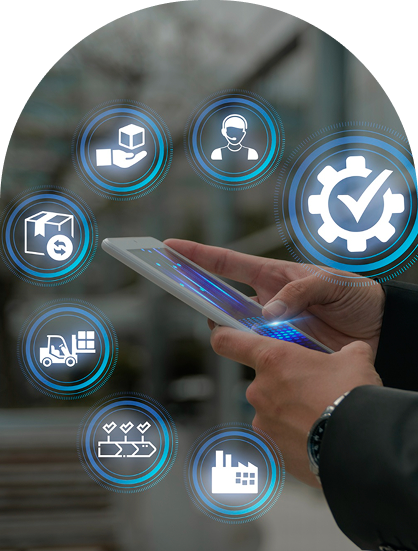
BOSC approaches legacy modernization as a system-level engineering responsibility, where architecture, workflows, integrations, and reliability are designed together.
Phased Modernization
We focus on controlled change so that critical systems can continue supporting the business as modernization progresses.
Product Engineering Thinking
We treat legacy modernization as a product problem involving system behavior, delivery velocity, user workflows, and future extensibility.
Business-Critical Workflow Awareness
We prioritize the parts of the product that most affect operations, customer experience, and delivery risk.
Transition That Restores Reliability
Testing discipline, deployment planning, rollback paths, and observability are part of the modernization effort from the start.
Industries We Work With
Our work spans industries where teams handle complex workflows, heavy information flow, and high stakes for consistency and speed. We adapt the system design to your operating model and not generic patterns.

Healthcare
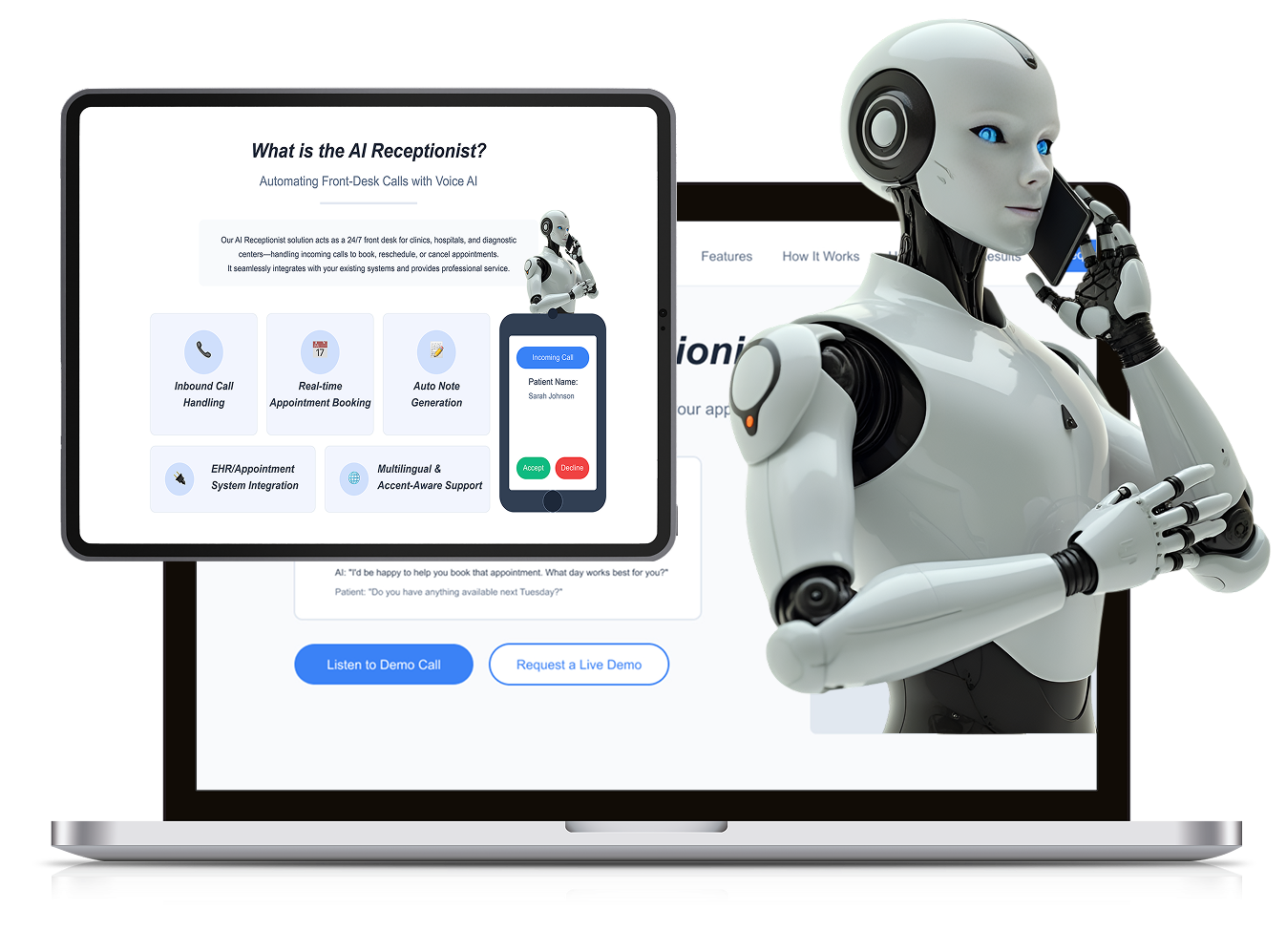
Strengthen operational systems and intelligence without disrupting clinical or patient workflows.

Sports
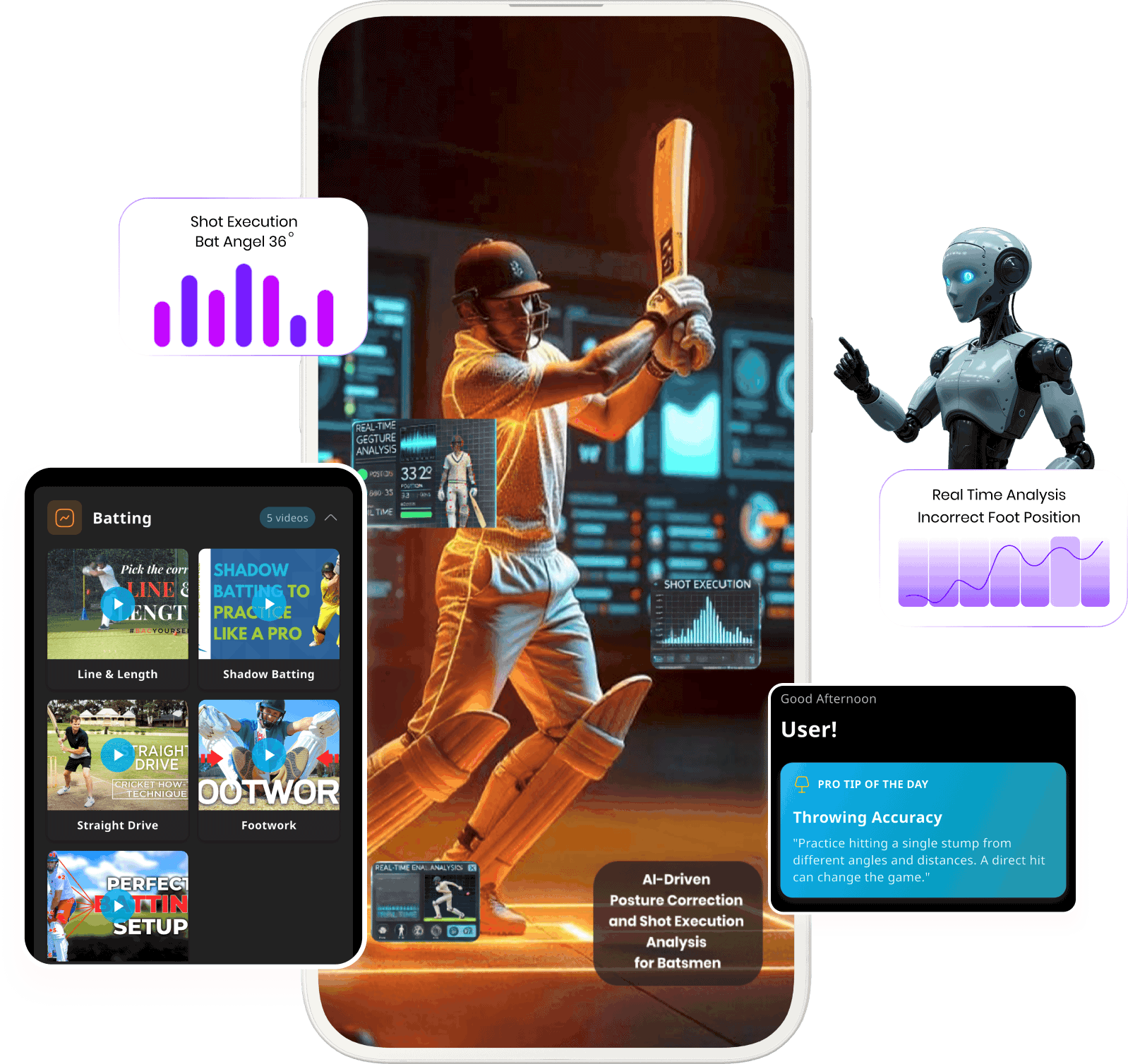
Support performance, analysis, and operational decision-making through data and vision-driven systems.
Media & Publishing
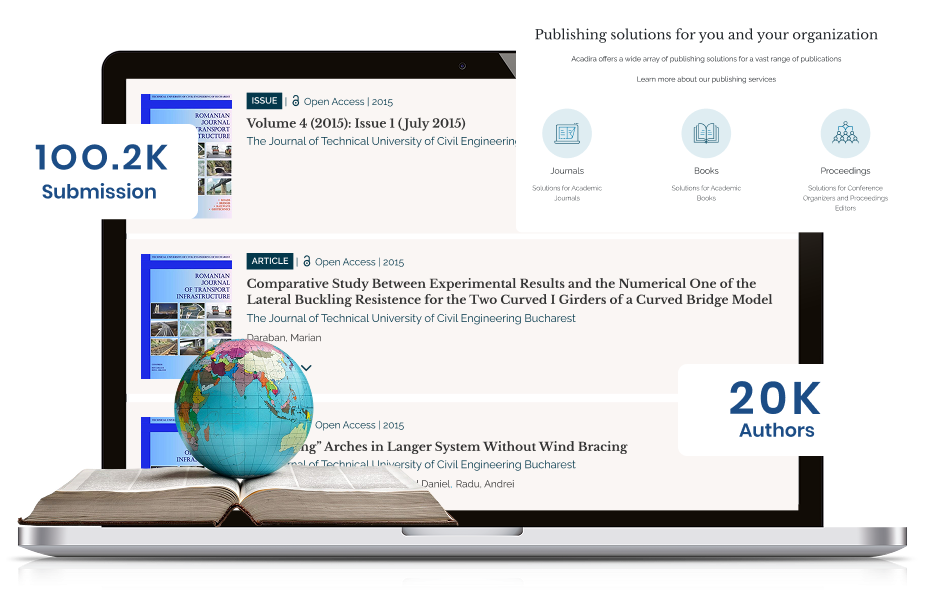
Enable scalable content operations, insight generation, and audience intelligence across platforms.
SaaS & Technology
Modernise and extend platforms to support scale, stability, and continuous product evolution.
Not sure whether to reconsider, restructure, or replace?
We assess your product, architecture constraints, and operational dependencies before recommending whether to restructure, replatform, or replace.




Perspectives on Engineering, Data, and AI
- AI Agent Development Cost: Get a Detailed Scope and Estimate from BOSC Tech Labs AI Team
 “AI agent cost is not just adding a simple price tag.” If you’re seriously exploring it, you’ve likely already realized that. An AI agent is… Read more: AI Agent Development Cost: Get a Detailed Scope and Estimate from BOSC Tech Labs AI Team
 - The ‘Real Cost’ of Building an AI Solution in 2026
 When you start exploring a futuristic AI solution, the first question that naturally comes up is, “How much will this actually cost me?” It’s a… Read more: The ‘Real Cost’ of Building an AI Solution in 2026
 - How to Build a Successful AI POC: A Step-by-Step Guide (The BOSC Tech Labs Way)
 If there’s one thing leaders quietly admit, it’s this: ‘AI is powerful, and painfully easy to get wrong.’ MIT research shows 95% of enterprise AI… Read more: How to Build a Successful AI POC: A Step-by-Step Guide (The BOSC Tech Labs Way)
Want to Know More
How do you decide whether our product should be refactored, replatformed, or rebuilt?
We review workflow criticality, architecture constraints, integration complexity, data dependencies, and delivery risk before recommending the right path.
Can you modernize our product without disrupting day-to-day operations?
Yes. We plan phased changes, isolate high-risk areas, and use controlled releases so critical workflows keep running.
Do you modernize just the code, or the full product system?
Where needed, we modernize architecture, integrations, data flows, environments, and user workflows, not just the codebase.
How do you handle legacy systems that are poorly documented?
We begin with structured discovery, dependency mapping, behavior analysis, and validation before major implementation decisions are made.
Can you make a legacy product ready for AI or automation?
Yes, when the product has the right data access, integration stability, governance, and workflow fit. We do not bolt AI onto unstable systems.
What happens after the first phase of modernization is complete?
We continue with phased rollout, backlog prioritization, and ongoing engineering support to keep modernization controlled.
What factors influence the investment required for modernization?
Scope depends on system complexity, technical debt, integration depth, data readiness, and the pace of phased rollout.
Modernize Your Product Systems with Controlled, Phased Delivery
Share your requirements and we’ll help you design a scalable AI-driven solution.