

Practical AI Integration for Operational Systems
Connect AI capabilities directly into your existing systems – ERP, CRM, and internal tools so your workflows run with less manual effort, clear traceability, and full control over your data. Built for mid-market operations that need reliability, not experimentation.
Trusted by Operations-Led Teams








AI Integration Services for Existing Business Systems
We engineer the integration layer that connects AI capabilities to the systems, data, and workflows your teams already rely on, securely and with full operational control.
Assess process dependencies, data quality, API capacity, access controls, security constraints, and source systems before implementation begins.
AI Readiness &
Infrastructure Audit
Define where AI fits in the workflow, how records move, what triggers actions, and where approvals, routing, and fallbacks must remain.
Integration Architecture & Orchestration Design
Embed AI capabilities into the systems teams already use, so actions, summaries, and recommendations appear inside existing workflows.
Workflow-Native AI Embedding
Build secure, production-ready connectors that link AI models to your core business tools, designed for consistent data exchange, low latency, and long-term maintainability.
Custom API, Middleware & Connector Engineering
Prepare schema mappings, business context, and synchronization logic to ensure outputs connect correctly to downstream systems.
Data Contracts, Context & Sync Management
AI Integration Challenges
That Stall Operational Progress
AI loses its impact when it remains disconnected from your core systems. Without robust engineering, outputs fail to move through your existing controls and team workflows. Our AI integration services bridge the gap between AI potential and operational reality.

AI outputs remain in separate tools instead of updating the systems teams actually use

Critical data sits in silos (CRM, ERP, etc) without the clean pipelines required for AI

APIs, middleware, and custom connectors become fragile when business rules are inconsistent

Off-the-shelf connectors often fail to meet mid-market security and audit requirements

Manual re-entry leads to duplicate records, missed steps, and weak traceability

Response times slow and costs rise once real operational load hits an unoptimized integration
Trusted by Growing &
Established Companies
Organisations need clarity on where automation creates value, how it affects operations, and what it will require to sustain. Our role begins at that point of decision.
6+
Years in engineering
and system delivery
90+
AI-skilled product
engineers
50+
Systems
modernized
30+
clients with 3+
years retention
Voice of Trust by Businesses
“BOSC Tech Labs has very good developers. they have a very broad knowledge. they understood exactly my concept and helped to make it mature. BOSC Tech Labs supported me all the way to production. You can see the final product in the App Store HipMeal.com. I will keep working with BOSC Tech Labs in the future.”

Said Zejjari
CEO, HipMeal & HipSmile
“I am satisfied with the way of work. BOSC Tech Labs has remarkably enhanced our proficiency in Flutter software, thanks to their dedicated and transparent approach in education. Their skilled and knowledgeable team has been a standout in our collaborative workflow.”

Brock Bradshaw
Tech Lead, UME
“This is the 1st time I worked with BOSC Tech Labs, which wasn’t a personal recommendation. They delivered above the expected level. Their one-person team expertly developed an MVP with innovation, significantly boosting customer engagement. Their swift approach & consistent delivery beyond expectations made the project a resounding success.”

Samir Lakhani
CEO, Letsplay
“The amazing team to work with, and they provided us with great results. We’re thrilled with the on-time launch of our app’s beta version by the team, which significantly addressed our initial backlog and exceeded expectations. Their proactive project management and impressive quality of deliverables left us and our stakeholders thoroughly impressed.”

Nicholas Lavis
Co-Founder, Lumin
“Thanks to the efforts of BOSC Tech Labs Private Limited, the time required to launch new features has been reduced by 20%. The team has proved collaborative, responsive, and punctual, demonstrating a structured approach that contributed to a seamless collaboration.”

Nils Kröger
Managing Director, Workbase
“BOSC Tech Labs Private Limited has delivered a solution with excellent PageSpeed insights and achieved easy post-launch management for the client. The service provider is highly responsive to the client’s changing requests. Their project management, timeliness, and client-orientedness are exemplary.”

De Ivett
CEO, 5D Spectrum
“BOSC Tech has excellent mobile & web app development skills using Flutter technology. BOSCs expertise in Google Cloud & Flutter is remarkable, showcasing their depth of knowledge and versatility. Their team’s communicative & adaptable approach, with outstanding mobile app development skills, made our collaboration seamless.”

Bojana Miloradovic Parman
Product Development Lead, Airphoto
Operational Outcomes Delivered Through AI Integration
AI integration creates value when it improves how work moves across the systems your teams already use. These are key workflow outcomes AI supports in real operations.
Unified Customer Context
Move from fragmented customer records to a single, consistent view so your sales and support teams work from the same picture, not four different tools. Less manual effort, fewer gaps.
Operational Decision Support
Embed real-time anomaly detection and predictive indicators inside operational workflows to support proactive planning and risk decisions.
Internal Knowledge Access
Enable teams to retrieve governed answers, summaries, and relevant context from internal knowledge sources directly inside the systems they already use.
Automated Back-Office Throughput
Reduce manual processing across approvals and document-driven tasks while preserving oversight, traceability, and exception handling.
Cross-System Decision Support
Bring together signals from across business systems to support prioritisation, risk identification, and planning at the point of decision.
Operating Model for Governance,
Monitoring & Cost
Review steps, traceability, observability, and usage guardrails to keep risk and spend predictable.
Identify Where AI Integration Can Support Your Operations
We review your systems, handoffs, and constraints to identify where our AI integration services can create measurable operational value without disrupting control.

How BOSC Plans & Delivers AI Integration Into Business-Critical Workflows
We follow a structured path from workflow review to integration design and controlled rollout. You get clarity early, fewer surprises during implementation, and stable systems after launch.
AI Readiness Assessment & Consultation
Evaluate current infrastructure, integration & tech stack constraints, and data hygiene.
Data Pipeline & Governance Engineering
Define the data flow, permissions, and control points needed for reliable, secure integration.
Integration Build & Workflow Embedding
Move integration into your live systems, so AI works inside existing workflows.
Validation Under Real Conditions
Test for latency, data inconsistencies, exceptions, and downstream system impact before rollout.
Production Monitoring & Handover
Launch with observability, operational visibility, and the documentation your team needs.
Success Stories Shaped by a Structured Approach
What Sets BOSC Apart in AI Integration Engineering
BOSC combines workflow-first thinking and disciplined engineering delivery to build AI integrations that connect cleanly and perform consistently over time.
Workflow-First Integration Planning
Start with the workflow logic, system dependencies, and handoff points so the integration fits real operations from day one.
Deep Legacy & ERP Expertise
Apply the engineering depth required to integrate AI safely into legacy ERPs, CRMs, and custom internal platforms.
Controls Built Into the Workflow
Define permissions, review paths, exception handling, and audit visibility early so the integration remains controlled and manageable in production.
Reliability Beyond Go-Live
Engineer for stable data flow, predictable behavior, and operational visibility as usage and data volumes grow.
Industries Where BOSC’s AI Integration Delivers Real Impact
Our work spans industries where teams handle complex workflows, heavy information flow, and high stakes for consistency and speed. We adapt the system design to your operating model and not generic patterns.

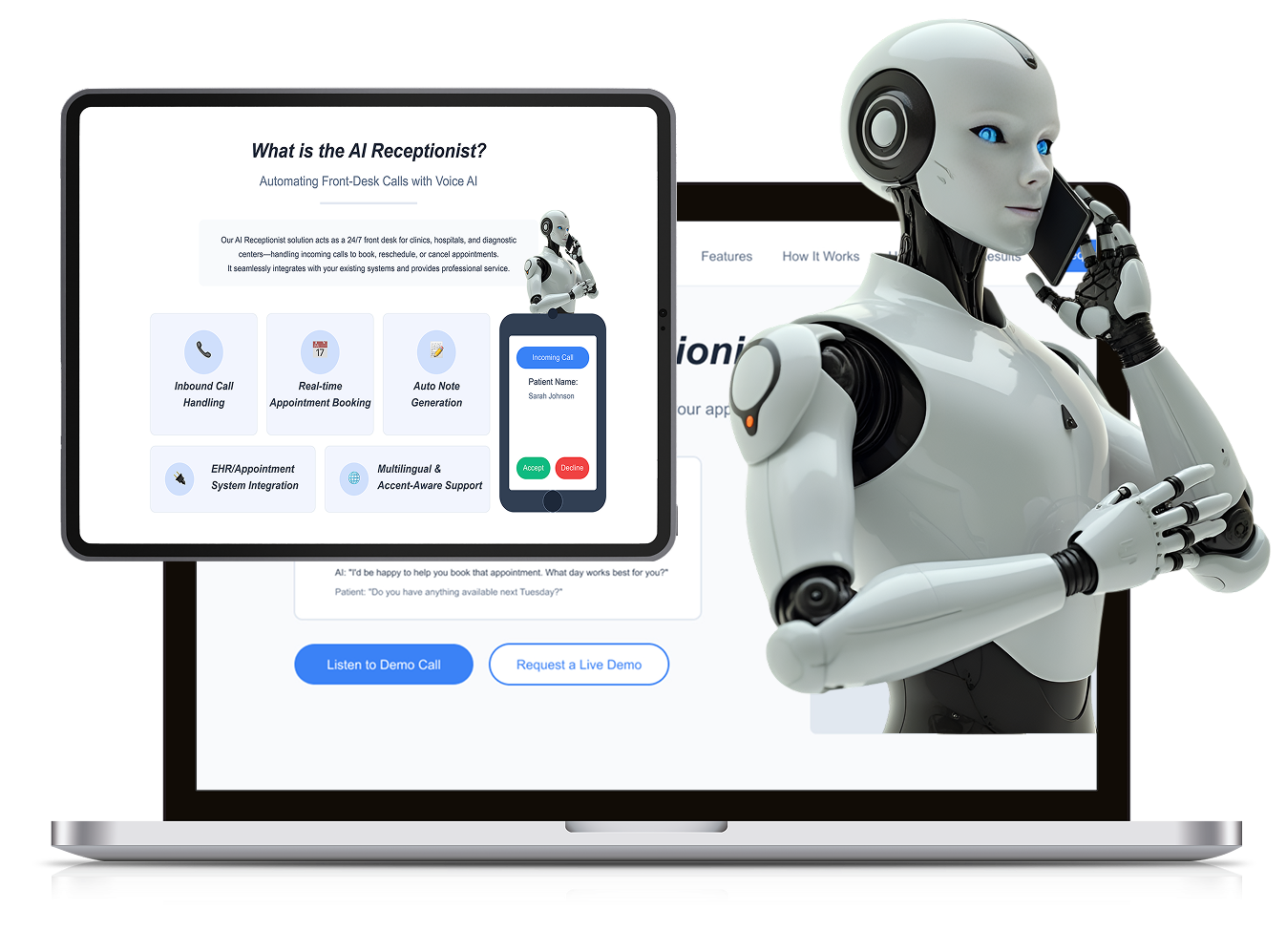
Healthcare
Strengthen operational systems and intelligence without disrupting clinical or patient workflows.

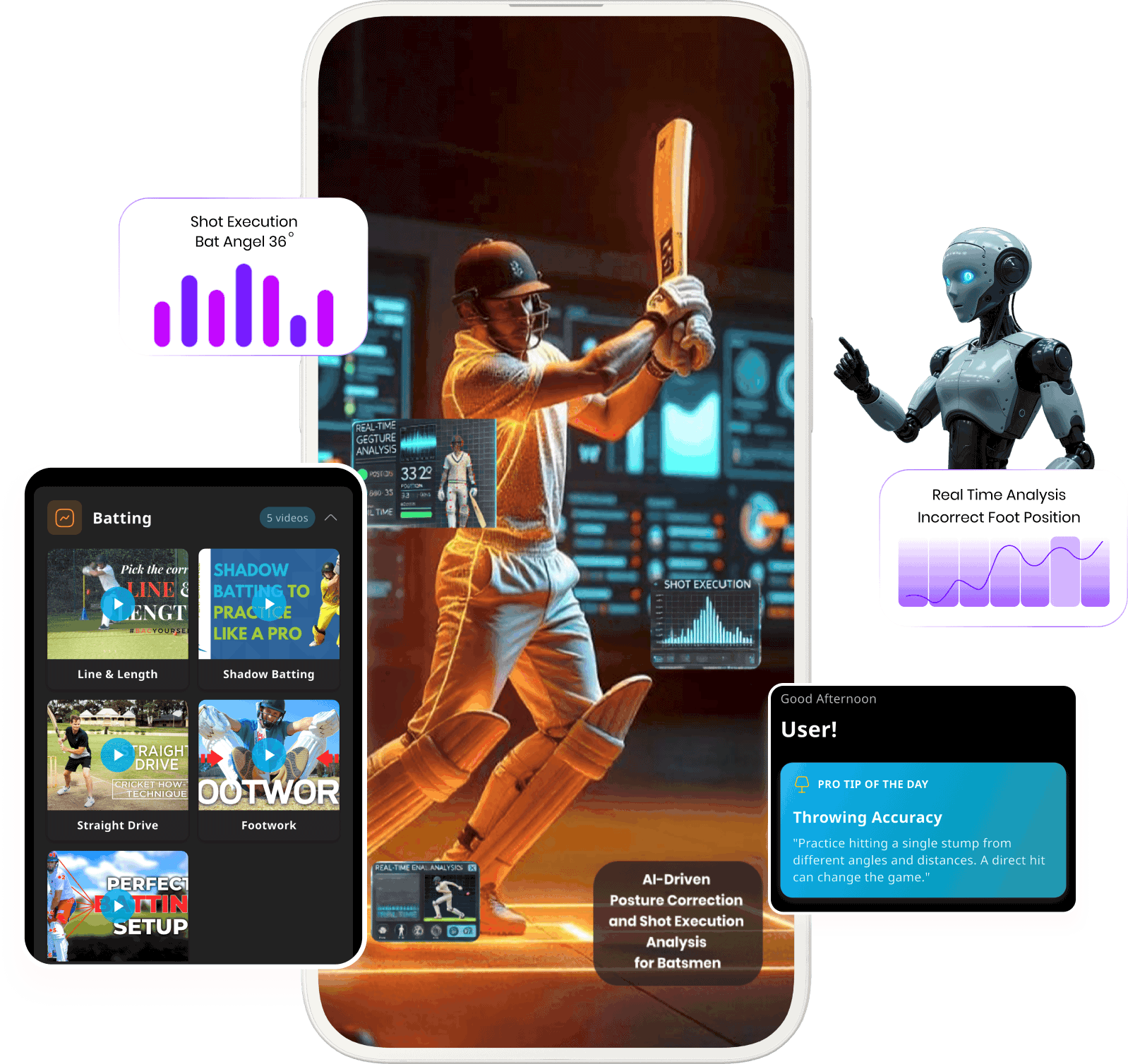
Sports
Support performance, analysis, and operational decision-making through data and vision-driven systems.

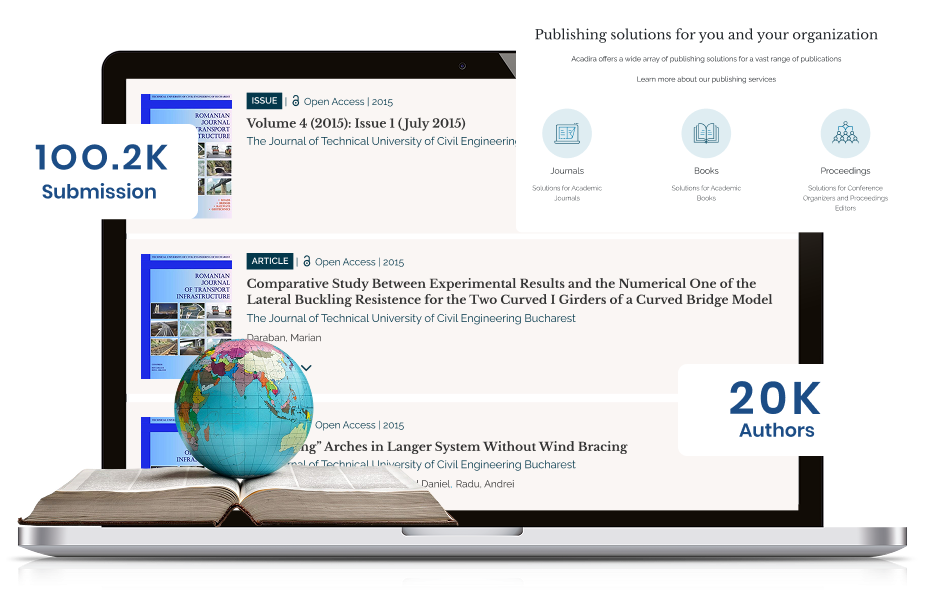
Media & Publishing
Enable scalable content operations, insight generation, and audience intelligence across platforms.

SaaS & Technology
Modernise and extend platforms to support scale, stability, and continuous product evolution.
Not Sure Where AI Integration Fits in Your Operations?
We help you assess feasibility and fit before committing to build so the integration decision is grounded in your actual systems, workflows, and constraints.




Perspectives on Engineering, Data, and AI
- AI Agent Development Cost: Get a Detailed Scope and Estimate from BOSC Tech Labs AI Team
 “AI agent cost is not just adding a simple price tag.” If you’re seriously exploring it, you’ve likely already realized that. An AI agent is… Read more: AI Agent Development Cost: Get a Detailed Scope and Estimate from BOSC Tech Labs AI Team
 - The ‘Real Cost’ of Building an AI Solution in 2026
 When you start exploring a futuristic AI solution, the first question that naturally comes up is, “How much will this actually cost me?” It’s a… Read more: The ‘Real Cost’ of Building an AI Solution in 2026
 - How to Build a Successful AI POC: A Step-by-Step Guide (The BOSC Tech Labs Way)
 If there’s one thing leaders quietly admit, it’s this: ‘AI is powerful, and painfully easy to get wrong.’ MIT research shows 95% of enterprise AI… Read more: How to Build a Successful AI POC: A Step-by-Step Guide (The BOSC Tech Labs Way)
Want to Know More
How do you handle AI integration with existing legacy systems?
We build custom, production-ready connectors and APIs that enable AI to interface with your legacy ERP or CRM systems. We focus on maintaining system stability and security without requiring a total infrastructure overhaul.
How do you ensure our data remains secure and private?
We integrate AI within your own cloud environment or controlled infrastructure. Your proprietary data is never used to train public models – access controls, permissions, and audit visibility are defined as part of the integration design, not added after the fact.
Will AI integration require changes to our existing systems or workflows?
Not significantly. We design integrations to work within your current systems and processes. Where changes are needed, they are scoped, communicated, and validated before implementation begins so there are no surprises during rollout.
How long does a typical AI integration take to reach production?
A production-ready integration including data pipelines, security guardrails, and failure testing typically takes 8 to 12 weeks, depending on your infrastructure’s readiness.
What happens if the AI model output is inaccurate or “drifts”?
We instrument every integration with observability tools. If performance drops below your defined threshold, the system flags the exception for human review, ensuring your operational workflows remain reliable and governed.
Embed AI Into Business Operations You Depend On
Share your requirements and we’ll help you design a scalable AI-driven solution.